

Mera Peak Climbing
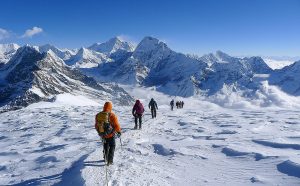
Standing at 6,476 meters, Mera Peak is Nepal’s highest trekking peak and a perfect choice for climbers seeking their first Himalayan summit. The route follows the wild and scenic Hinku Valley in the Everest region, passing through remote villages, forests, and pristine alpine terrain.
The climb is non-technical but physically demanding, and from the top you’ll enjoy outstanding views of Mount Everest, Lhotse, Makalu, Cho Oyu, and Kanchenjunga. A true adventure for those ready to go higher in the Himalayas.
Trip Facts
Trip highlights
- Climb Nepal’s highest trekking peak at 6,476 m
- Journey through the remote and unspoiled Hinku Valley
- Spectacular summit panorama of Mount Everest, Lhotse, Makalu, Cho Oyu, and Kanchenjunga
- Less crowded route compared to other peaks in the Everest region Beautiful forests, glaciers, and high alpine landscapes
- Ideal first Himalayan climbing experience
- Proper acclimatization and basic mountaineering training
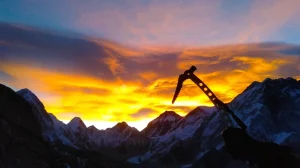
- Lifetime achievement with breathtaking sunrise from the summit
Mera Peak (6,476 m) is a challenging high-altitude adventure and requires good physical fitness and strong determination. Although it is classified as a trekking peak, climbers should be prepared to use basic mountaineering equipment such as crampons, harnesses, ropes, and ice axes. The journey takes place in the remote Hinku Valley of the Everest region, where weather conditions can change quickly. Proper acclimatization days are essential for safety and summit success. Previous trekking experience at high altitude is highly recommended. Flights, mountain weather, and trail conditions may cause itinerary changes, but the guide will always prioritize safety and provide the best possible alternative plan. This trip offers an incredible opportunity to stand among the highest mountains on earth while experiencing authentic Himalayan wilderness and culture. If you like, I can also prepare a more formal, shorter, or client-friendly booking note version.
Overview
Itinerary
Upon your arrival at Tribhuvan International Airport in Kathmandu, the heart of Nepal, you will be greeted by a member of our expedition team who will guide you to your hotel. Take this first day to rest and recover from your flight, allowing you to acclimate to the bustling, vibrant atmosphere of the city. If you have the energy, you may venture out to explore Kathmandu, which is known for its rich cultural heritage and vibrant streets. You can wander through narrow alleyways, visit local shops, or relax in one of the many cafes, soaking in the sights and sounds of the Nepali capital. This day serves as a perfect introduction to the country and its hospitality, as you prepare for the exciting days ahead.
Today will be dedicated to exploring the cultural heart of Nepal. You will embark on a guided sightseeing tour of some of Kathmandu’s most iconic UNESCO World Heritage sites, such as the sacred Pashupatinath Temple, a center of Hindu worship; the massive stupa of Boudhanath, one of the largest in the world; and the historical Kathmandu Durbar Square, home to ancient palaces and temples. This day also serves as the final preparation for your expedition. In the afternoon, you will attend a pre-expedition briefing, where the lead guide will go over the climbing itinerary, important safety protocols, and equipment check. The team will ensure that you have everything you need for your adventure, and you will have the opportunity to ask any last-minute questions before beginning your trek.
Today marks the official start of your trek as you take an early morning scenic flight to Lukla. The flight offers magnificent views of the Himalayan peaks, and Lukla’s small, high-altitude airstrip serves as the gateway to the Khumbu region. Once you land, you will begin your trek to Paiya or Panggom, passing through lush green landscapes and quaint Sherpa villages. The trail is relatively gentle, giving you the opportunity to absorb the stunning surroundings, including terraced fields, flowing streams, and the early hints of snow-capped mountains looming in the distance. This initial trekking day helps to gradually introduce you to the mountain environment and set the tone for the adventure ahead.
The journey continues as you trek from Paiya or Panggom to Nigmsa, a small Sherpa village nestled in the hills. The trail weaves through dense forests, with towering rhododendron trees, and crosses streams and rivers that flow through the picturesque valleys. As you make your way towards Nigmsa, you will be welcomed by friendly locals who may invite you to experience their traditional culture. The steady ascent through this peaceful terrain allows for continued acclimatization, and you can stop along the way to rest and take in the scenery. By the time you reach Nigmsa, you’ll feel a deeper connection with the land and people that make the Khumbu region so special.
Today’s trek takes you to Khote, a charming village situated along the Dudh Koshi River, a tributary of the mighty Arun River. The route offers striking views of the surrounding mountains, and you’ll be able to catch your first glimpses of Mera Peak in the distance. As you trek, the air will begin to thin, and the landscape transforms into a more rugged, alpine environment. The path passes through small villages and offers increasingly breathtaking views of snow-capped peaks. Once you reach Khote, you’ll settle into this picturesque village, where you’ll enjoy the serenity of being surrounded by towering peaks and glaciers, preparing for the challenges of higher altitudes.
Altitude acclimatization is key to ensuring a successful ascent, and Day 6 will be dedicated to this process. You will remain in Khote, allowing your body time to adjust to the increasing altitude and thinner air. This rest day will include short hikes in the surrounding areas, giving you the chance to explore the local landscape and gain a better understanding of the high-altitude environment. You’ll also receive advice on how to handle the physical challenges of trekking and climbing in the Himalayas. This day will allow your body to recover and adapt, ensuring you are in the best possible condition for the next stages of the expedition.
From Khote, you will continue your trek towards Tangnang, also known as Tagnag, a beautiful high-altitude village. The trail is a steady climb, passing through alpine meadows and moraine fields. You will be walking through increasingly rugged terrain as the landscape becomes more dramatic, with jagged peaks and glaciers coming into view. Tangnang will be your base for the next few days, offering stunning views of the surrounding peaks. Once you reach Tangnang, you will enjoy a well-deserved rest and prepare for the final stages of the trek.
The trek continues from Tangnang to Khare, which is the base camp for Mera Peak. The journey is more challenging as the terrain becomes steeper and rockier, and you will navigate through moraines and glacial terrains. As you approach Khare, you will feel the air thinning and the environment becoming more alpine. Upon arrival at Khare, you will have some time to relax and prepare for the upcoming summit attempt. Khare is the last settlement before your climb to Mera Peak’s summit, and you will get a real sense of remoteness and adventure here.
Another important acclimatization day is scheduled in Khare. During this day, you’ll review climbing techniques with your guides, familiarize yourself with your gear, and discuss the technical aspects of the climb. You will also have the opportunity to do some light hikes in the surrounding area to further adjust to the altitude. This day is crucial for ensuring you are physically and mentally prepared for the summit climb. It’s a time to rest, reflect, and enjoy the spectacular scenery that surrounds you.
Will be all about preparation. You’ll spend the day going over final details with your guides, ensuring that you’re fully prepared for the summit attempt. This will include a final gear check, climbing demonstrations, and safety briefings. You’ll also rest, allowing your body to be in its optimal condition for the challenging days ahead. The weather conditions will be monitored, and your guide will ensure that all necessary preparations are in place to ensure a safe and successful summit.
You’ll ascend to Mera High Camp, the launch point for your summit bid. The climb to High Camp is a significant part of the journey, and it will be your first real taste of the ascent to Mera Peak. The terrain becomes more challenging as you move through snow and ice, but with the guidance of your experienced Sherpas, the climb is manageable. Once you reach Mera High Camp, you will rest and prepare for the final push to the summit. The excitement builds as you settle into camp, knowing that the summit is just within reach.
Summit Day arrives, and after an early start, you’ll begin the ascent to Mera Peak’s summit. The route is a challenging climb that involves traversing glaciers and steep snow-covered slopes. With your guide leading the way, you will navigate fixed ropes and use ice axes and crampons to tackle the technical sections. The climb is strenuous but immensely rewarding, and after hours of steady progress, you will reach the summit. The view from the top is nothing short of breathtaking, with panoramic views of the surrounding peaks, including Everest, Lhotse, Makalu, and Kanchenjunga. After celebrating your achievement, you will descend back to High Camp for a well-earned rest.
In case of unforeseen weather conditions or other factors that may delay the summit push, a contingency day is reserved. This day allows for additional acclimatization or weather breaks to ensure that every climber has the best chance of reaching the summit safely.
Following the successful summit, you will descend to Khare, reflecting on the achievement and celebrating the completion of the most challenging part of the expedition. The descent is quicker, and the return journey provides another opportunity to enjoy the stunning scenery and appreciate the mountain landscapes.
Today marks the start of your journey back to Lukla, retracing your steps through Tangnang, Khote, and Paiya or Panggom. The descent is a pleasant one, as the air becomes denser, and the landscape shifts from the high-altitude terrain back to lush, green valleys. This leg of the trek provides time to reflect on your journey and enjoy the company of fellow climbers.
After completing the trek to Lukla, you will take an early flight back to Kathmandu. Upon arrival, you can rest, shop for souvenirs, or simply relax and reflect on your incredible achievement. The bustling streets of Kathmandu will seem even more vibrant after your time in the mountains, and you will have countless stories to share
On your final day, you’ll have some free time to relax or explore more of Kathmandu before departing for Tribhuvan International Airport to catch your flight home. The memories of your Mera Peak Expedition will stay with you long after you leave, and you’ll have experienced one of the most remarkable trekking and climbing adventures on the planet.
Client reviews
Review Requests
Enter a recent customer’s contact info and we’ll ask them to leave you a review.


